 By sion932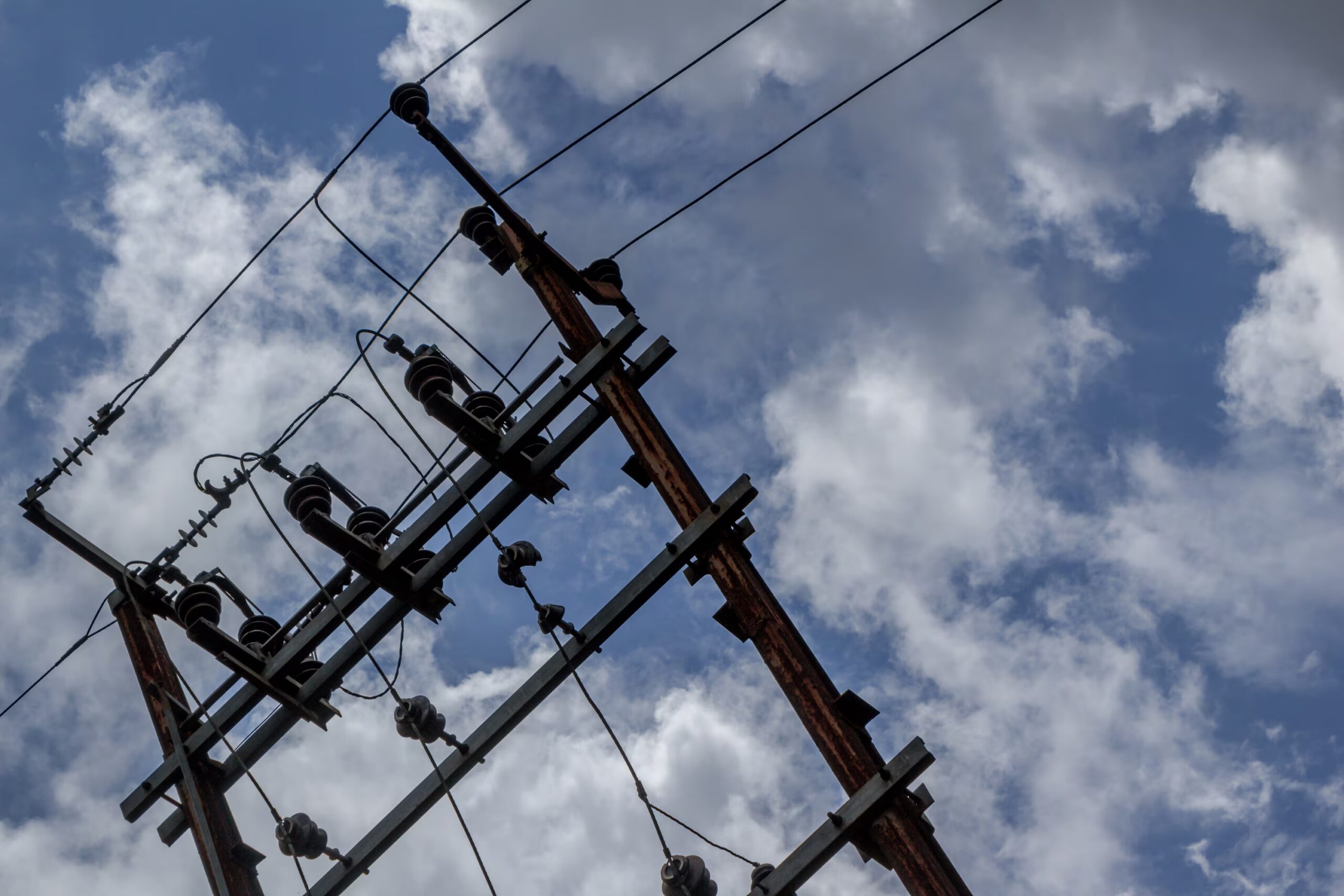
The focus of global competition in the new era will be on who invests in and controls the power grid and the digital backbone of the economy. As nations race to build the infrastructure for the future economy, infrastructure financing has become a lever of influence, shaping access to resources, cost structures, and development opportunities. Infrastructure is key to enabling energy and digital transformation, and strategic and systemic investment in it will be the next true strategic frontier.
We are entering a new era of global competition—a competition between nations and corporate buyers. The competition centers on who will finance and set the rules for the power grid and the digital backbone of the economy.
Countries are vying for high-voltage direct current transmission corridors and subsea cables (such as intercontinental connections and new cloud pathways), while hyperscale cloud providers are competing for long-term, round-the-clock clean energy power purchase agreements and scarce grid connection slots. This is not just about generating more electricity, but about standardizing and operating systems that make electricity more available, resilient, and intelligent.
From transcontinental power grids to cloud hubs, infrastructure financing is a real lever of influence, determining access, costs, and opportunities. Those who make strategic investments will hold sway over the future system; those who lag behind may have to adapt to rules set by others.
Meanwhile, artificial intelligence, automation, and data-driven services are driving a surge in electricity demand, exposing the limitations of current power systems.
The International Energy Agency (IEA) predicts that by 2026, electricity consumption from data centers, AI, and cryptocurrencies alone could double, exceeding 1,000 terawatt-hours (TWh)—roughly equivalent to Japan’s total electricity demand. To meet this surging demand sustainably, a massive upgrade in the intelligence, flexibility, and interoperability of the power grid is necessary. And all of this requires forward-looking, large-scale investment.
If infrastructure is the foundation for energy and digital transformation, then strategic and systemic investment in infrastructure is truly the next frontier.
The Power Grid: The Unsung Engine
News reports often focus on AI, cloud computing, or data centers, but the real bottleneck and opportunity lies in the power grid. Modern power systems are no longer just about generating electricity, but about flexibility, real-time coordination, and managing current flows in a diverse landscape of renewable energy generation, energy storage, and industrial demand. However, the pace of financing has not kept up. To build the infrastructure needed for the transition, grid investment must almost double by 2030, reaching over $600 billion annually. Otherwise, many clean energy projects may be delayed, scaled down, or canceled due to system constraints.
The risks are already evident. In the US and Europe, fragmented approval processes and shifting policy signals are undermining investor confidence. Recent cancellations of offshore wind projects illustrate that without stable policies and integrated system planning, financing cannot reach the necessary speed or scale. Meanwhile, other regions are making progress with more comprehensive, government-backed financing models that accelerate deployment.
This investment gap reflects a deeper challenge: today’s financing models remain too focused on single assets and short-term returns. We need to shift from transactional financing to system-level investment strategies that unlock resilience and growth potential.
Capital is consolidating and reshaping the market landscape.
Institutional investors are increasingly taking a more integrated view of infrastructure. Sovereign wealth funds, asset managers, and private equity firms are increasingly co-investing across the entire spectrum of clean energy and digital infrastructure. They own not only wind farms but also the data centers powered by those wind farms; they invest not only in energy storage but also deploy AI-based control systems for optimization.
From physical grids to digital platforms, the same financial players are building and controlling the physical backbone of the digital economy. Data center and cloud operators like Microsoft and Google have signed 20-year renewable energy power purchase agreements (PPAs) to ensure their data operations use low-carbon energy, effectively gaining long-term control over energy procurement and pricing. Meanwhile, companies like Brookfield and BlackRock are building cross-sector infrastructure investment portfolios, financing both renewable energy generation and the digital infrastructure that uses that power.
In a world defined by AI, hyperscale computing, and distributed energy systems, the focus of competition is no longer just on clean energy, but on control of infrastructure.
New Investment Guidelines
Financing must evolve to accommodate the complexity of modern infrastructure systems. The old model of isolated, project-specific asset investment is giving way to a more integrated, system-level approach that recognizes interdependencies across the value chain.
This means prioritizing investments in high-impact infrastructure such as smart grids, long-duration energy storage, digital platforms, and clean energy hubs. At the same time, risk assessments must consider not only asset classes but also the function of assets within the broader energy ecosystem.
Financial innovation must channel capital to underserved critical infrastructure sectors by blending public and private finance, aligning incentives, and lowering barriers to entry for investment institutions. The World Bank estimates that every dollar invested in resilient infrastructure can avert four dollars in losses from climate-related disasters.
The current monetary environment adds urgency. Liquidity is abundant, but without dedicated tools and de-risking mechanisms, it may only inflate financial asset prices without financing the urgently needed power grids and energy storage. Rethinking where this capital flows is the opportunity of a generation.
Strategic collaboration among financiers, developers, regulators, and the public sector is crucial to shifting from fragmented transactions to coordinated, system-oriented investments. While pathways will differ across regions, the goal is consistent: to build flexible frameworks that reflect local realities while giving global investors the confidence to scale up their commitments.
Questions for Today’s Leaders
As infrastructure becomes the strategic battleground of the 21st century, financial and policy leaders must confront four fundamental questions:
- Are we prepared to develop policies and standards that ensure open access and prevent centralization as digital and energy infrastructure converge?
Regulation and capital allocation should reflect the co-existence of data flows and power flows.
- What are the risks if infrastructure ownership continues to concentrate in the hands of a few?
Without proper safeguards, capital concentration can negatively impact market access, pricing, and innovation.
- How should financing models evolve to deliver broad social benefits rather than create monopolistic advantages?
Financial innovation must be coupled with inclusive governance and long-term social value.
- What role should public institutions play?
The risk lies not only in insufficient capacity but also in the ownership and control of standards and access. The financiers of future infrastructure will influence costs, access, and interdependencies for decades to come.
The next chapter of the energy transition will depend not only on megawatts of power but on how we finance, standardize, and integrate the infrastructure that makes that power work.
The convergence is happening, and the playbook is changing. Now is the time to act strategically, collaboratively, and systemically. Authors:
Eneida Licaj, Head of Financial Pillar, World Economic Forum Pioneers Alliance
Sarah Moin, Head of Financing for Energy and Materials Transformation, World Economic Forum
This article was originally published on the World Economic Forum Agenda blog.