 By sion932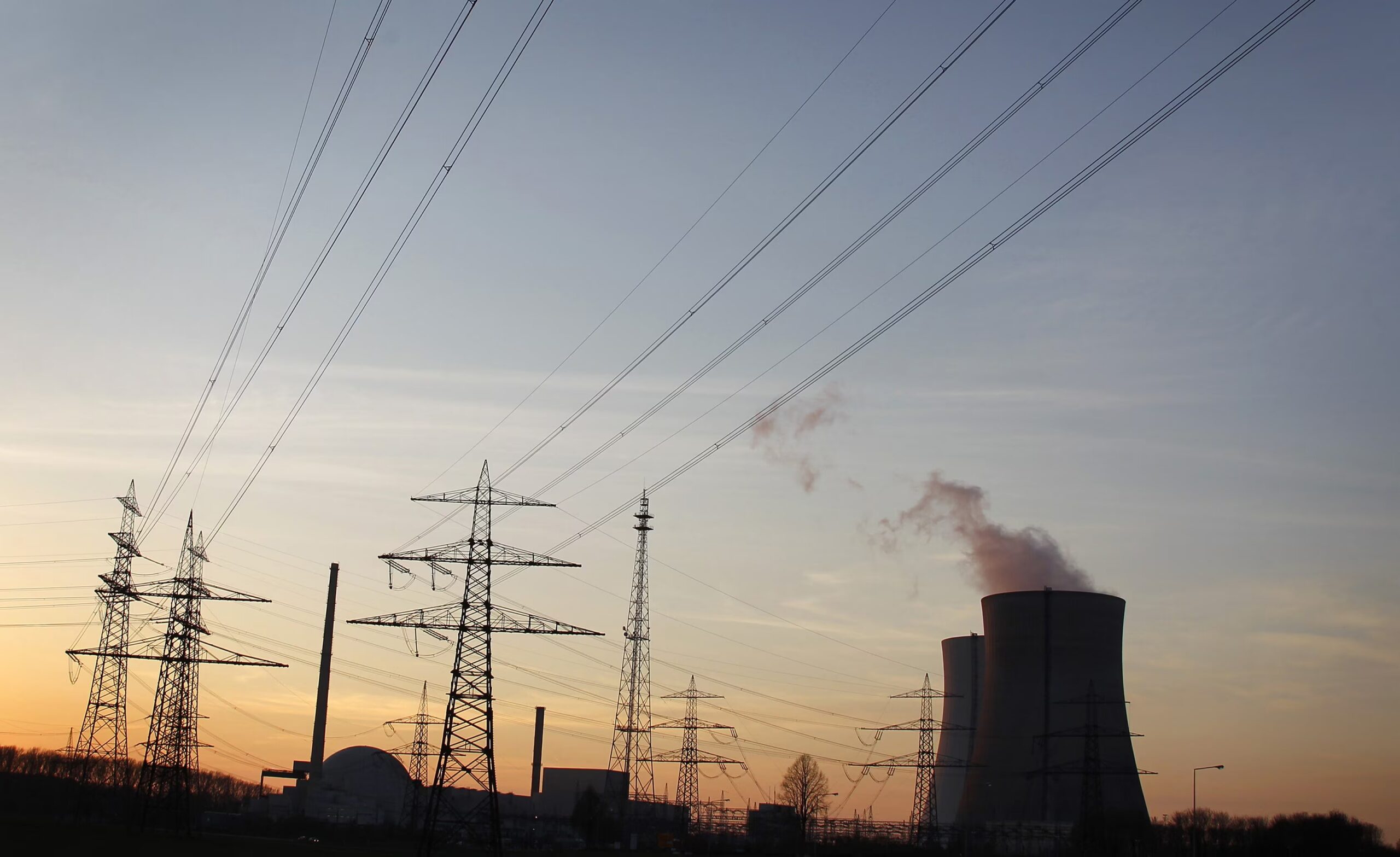
- As countries strive to establish reliable, secure, affordable, and sustainable energy supplies, nuclear energy is once again in the spotlight.
- This article shows the global distribution of operating, under construction, planned, and proposed nuclear power plants.
- The World Economic Forum’s 2025 report, “Fostering Effective Energy Transition,” states that nuclear energy, a low-emission energy source, is “steadily making a comeback.”
Amidst global efforts to address rising energy demands, the climate crisis, and geopolitical uncertainties, nuclear energy is experiencing a renewed surge of interest.
Currently, there are approximately 440 nuclear reactors operating in 31 countries worldwide, accounting for about 9% of global electricity generation in 2023.
However, following major accidents such as the Chernobyl meltdown in 1986 and the Fukushima disaster in 2011, this reliable, low-emission energy source fell out of favor in many countries. But now, almost weekly, countries and companies, particularly tech giants, are announcing a renewed focus on nuclear power.
This includes the United States proposing to “revitalize” its nuclear industry, Germany and Japan reversing their plans to phase out nuclear power, and technology companies signing power purchase agreements for nuclear energy and investing in nuclear energy startups.
So, how widespread is this “nuclear renaissance”?
Global Nuclear Power Distribution
Some countries are highly dependent on nuclear energy.
France has the highest share of nuclear power generation in the world, at nearly 70%; Ukraine, Slovakia, and Hungary derive about half of their electricity from nuclear power.
China, the United States, Russia, South Korea, and Canada also have considerable nuclear power production capacities.
Global Distribution of New and Planned Nuclear Power Plants
Many countries with existing nuclear power projects are planning or constructing new nuclear power units. Currently, approximately 70 nuclear power units are under construction in 15 countries worldwide.
Developed economies own over 70% of the operational units, but emerging economies are continuously increasing their investment in nuclear energy.
By the end of 2024, approximately three-quarters of the units under construction globally were located in emerging economies, with half of them in China.
In addition, about 30 countries are considering, planning, or initiating nuclear power projects.
The Importance of Nuclear Energy
At the COP28 meeting in 2023, more than 20 countries pledged to at least triple global nuclear power capacity by 2050. This goal was supported by hundreds of companies, large banks and financial institutions, as well as technology companies such as Google, Amazon, and Meta.
The World Economic Forum’s 2025 edition of “Fostering Effective Energy Transition” highlights several intertwined priorities: the impact of the climate crisis; growing energy demand driven by electrification, a surge in air conditioning use, and the rapid expansion of artificial intelligence; and global uncertainty and the resulting supply chain pressures.
Against this backdrop, the report notes that nuclear energy is “steadily returning,” a trend driven by traditional reactor designs and a focus on small modular reactors, which can provide safer, scalable, and low-carbon baseload power.
This article was originally published on the World Economic Forum Agenda blog.